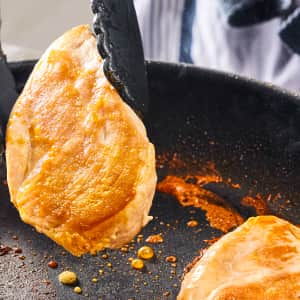
Cold-Start Pan Seared Chicken: The Secret to Consistently Juicy Breasts
For many home cooks, achieving a perfectly juicy pan seared chicken breast with a beautiful golden crust often feels like a culinary tightrope walk. The fear of overcooking and ending up with dry, rubbery chicken is very real. But what if there was a simple, counterintuitive technique that guarantees tender, moist results every single time? Enter the cold-start pan searing method – a game-changer that transforms a humble chicken breast into a culinary masterpiece.
Forget the traditional advice of preheating your skillet to a screaming hot temperature. This revolutionary approach, championed by culinary experts, starts with putting your chicken directly into an unheated pan. This gentle beginning, combined with strategic cooking steps, allows the chicken to cook more evenly, develop an irresistible crust, and crucially, retain all its natural juices. If you're ready to bid farewell to dry chicken forever and master the art of the perfect pan seared chicken breast, read on to unlock the secrets of the cold-start method.
Why the Cold-Start Method Revolutionizes Pan Searing
The magic of the cold-start method lies in its ability to defy conventional wisdom, offering a superior outcome for your pan seared chicken breast. Instead of shocking the chicken with intense heat, which can lead to rapid protein contraction and moisture loss, this technique introduces heat gradually. This subtle difference makes all the difference in achieving that desired juicy interior and crisp exterior.
When you place chicken into a cold, dry skillet and then bring it up to heat, the pan slowly transfers energy to the meat. This allows the fat to render slowly, and the proteins to denature more gently. The result? A remarkably even cook from edge to center. As the pan heats up, the exterior of the chicken gradually develops a deep, rich brown crust, thanks to the Maillard reaction – the complex chemical reaction responsible for browning and enhanced flavor. Because the cooking process isn't rushed, the interior has more time to come to temperature without the exterior drying out or toughening. It’s a brilliant way to ensure your pan seared chicken breast isn't just cooked, but cooked to perfection.
The Science Behind the Sizzle (or Gradual Sizzle)
Traditional pan searing often results in a harsh temperature gradient: a very hot exterior and a much cooler interior. The cold-start method minimizes this gradient. By starting cold and employing frequent flipping, the heat is distributed more uniformly. Each flip exposes the chicken to a slightly cooler surface of the pan, allowing the internal temperature to rise steadily without overcooking the outer layers. This controlled cooking environment ensures that the meat gently cooks from the outside in, coaxing out moisture rather than forcing it, which is the key to maintaining a tender and incredibly juicy pan seared chicken breast. It’s less about a quick sear and more about a methodical, gentle transformation.
Mastering the Prep: Setting Up for Pan Seared Perfection
While the cooking method itself is unique, proper preparation remains paramount for the ultimate pan seared chicken breast. Neglecting these initial steps can undermine even the most sophisticated cooking technique. Here's how to set yourself up for success:
- Choose Wisely: Opt for boneless, skinless chicken breasts that are similar in size, ideally weighing up to 10 ounces each. Consistency in size ensures consistent cooking times. Larger breasts (over 12 ounces) are generally not recommended for this method, as their exteriors may toughen before the interior cooks through. For more tips on selecting the best poultry, check out our guide on Secrets to Perfectly Pan-Seared Chicken: Juicy & Crispy.
- Even Thickness is Essential: The most common culprit for unevenly cooked chicken is inconsistent thickness. The thicker part of a chicken breast takes longer to cook, often leaving the thinner end dry. To remedy this, gently pound the thicker end of each breast with a meat pounder or the bottom of a heavy pan until it's a uniform ½ inch thick. This simple step guarantees even cooking and a consistent texture throughout your pan seared chicken breast.
- Pat Them Dry: Moisture is the enemy of a good sear. Thoroughly pat both sides of your chicken breasts dry with paper towels. Any surface moisture will first steam off before browning can begin, hindering the development of that coveted crispy crust. A dry surface browns more efficiently and beautifully.
- Lightly Oil, Evenly Season: Instead of oiling the pan, lightly brush both sides of each chicken breast with vegetable oil. This ensures an even coating, promoting uniform browning and preventing splattering in the pan. Follow with a generous and even sprinkle of kosher salt (about ½ teaspoon per breast). If using denser Morton kosher salt, adjust to 1½ teaspoons for four breasts. Salt not only seasons but also helps draw out moisture, contributing to a better crust.
Step-by-Step: Achieving the Ultimate Juicy Pan Seared Chicken Breast
With your chicken prepped, it's time to put the cold-start method into action. This process takes approximately 30 minutes from start to finish for four breasts, making it an ideal choice for a quick yet gourmet meal. For even faster results, consider our tips for Quick Pan-Seared Chicken Breast: Juicy & Done in 30 Minutes.
- The Cold Start: Arrange the prepared chicken breasts in a 12-inch nonstick or carbon-steel skillet. Ensure the narrow parts are opposite the wider parts for optimal fit. Critically, the skillet should be unheated and dry.
- Initial Sear (High Heat): Place the skillet over high heat and cook for 2 minutes. Resist the urge to peek or move the chicken during this initial phase.
- First Flip: After 2 minutes, flip the breasts. You should observe light browning. Cook for another 2 minutes on the second side.
- Reduced Heat & Frequent Flipping: Now, reduce the heat to medium. Continue to cook, flipping the breasts every 2 minutes. This frequent flipping is key to the cold-start method's success, allowing the heat to penetrate gently and evenly. Continue this process for an additional 6 to 8 minutes, or until the exterior is beautifully well-browned and the thickest part of the breast registers 155 degrees Fahrenheit on an instant-read thermometer. For breasts weighing 10-12 ounces, this step might extend to 9-12 minutes.
- The Critical Rest: Once the chicken reaches 155°F, transfer the breasts, skinned side up, to a platter. Tent loosely with foil and let them rest for at least 10 minutes. This resting period is non-negotiable. During rest, the internal temperature will climb to a safe 165°F as residual heat redistributes the juices throughout the meat, resulting in an exceptionally tender and moist pan seared chicken breast. Skipping this step often leads to dry chicken as the juices escape when you cut into it too soon.
Elevate Your Pan-Seared Chicken: Beyond the Basics
While the cold-start method guarantees a perfectly cooked pan seared chicken breast, the experience doesn't have to end there. The pan used for cooking holds a treasure trove of flavor – the fond – which is perfect for creating a quick and delicious pan sauce. This is where you can truly personalize your meal.
One delightful option is a simple sautéed mushroom jus. After resting your chicken, deglaze the hot skillet with a splash of chicken broth or white wine, scraping up all those flavorful browned bits. Add sliced mushrooms and minced garlic, cooking until tender. A dash of red wine and a squeeze of fresh lemon juice can elevate this simple sauce, providing a rich, tangy counterpoint to the chicken. This savory jus, spooned over your fanned-out chicken breast, adds another layer of sophistication to your dish. Experiment with other ingredients like shallots, herbs (thyme, rosemary), or even a touch of cream for a richer sauce.
Beyond sauces, consider your serving presentation. Slicing the perfectly rested chicken breast into thick medallions and fanning them out on a plate not only looks appealing but also makes for easier eating. Pair your cold-start pan seared chicken breast with seasonal spring vegetables, a vibrant salad, or a creamy risotto for a complete and satisfying meal.
Conclusion
The cold-start method for pan seared chicken breast is a true culinary revelation. By embracing a gentle, patient approach to cooking, you can consistently achieve chicken that is incredibly juicy on the inside, with a wonderfully crisp, golden crust on the outside. It’s a technique that demystifies the art of cooking chicken breasts, transforming what can often be a source of frustration into a source of pride and delight. With just a few simple modifications to your routine – flattening, drying, cold-start, and frequent flipping – you'll unlock the secret to perfectly cooked chicken every time. So, next time you're craving a delicious and healthy meal, ditch the old habits, embrace the cold-start, and prepare to be amazed by the tender, flavorful results.
